



Accurate data is the foundation of effective decision-making, yet human errors in business processes continue to pose significant challenges. Mistyped entries, misplaced decimal points, and inconsistent data handling can lead to financial losses, regulatory compliance issues, and operational inefficiencies. Industries such as finance, healthcare, and retail are particularly vulnerable to these inaccuracies, where even minor mistakes can have widespread consequences.
In an increasingly digital world, businesses are recognizing that relying solely on manual processes is no longer sustainable. Digital transformation is reshaping how companies handle data, driving the need for solutions that enhance accuracy and efficiency.
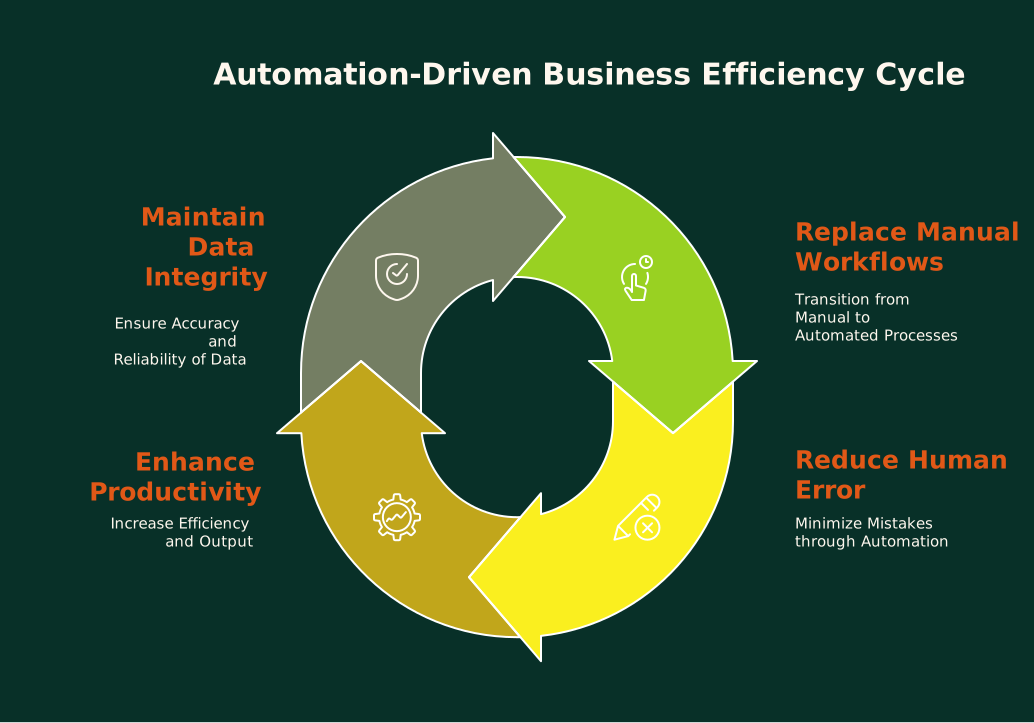
Setting the Stage for Automation
Business process automation (BPA) is emerging as a key strategy for reducing human error and improving data accuracy. By automating repetitive and data-sensitive tasks, organizations can minimize manual intervention and significantly reduce inconsistencies. From streamlining data entry to enhancing workflow automation, BPA empowers businesses to operate more efficiently and with greater precision.
Let’s explore the business process automation benefits that help organizations eliminate costly errors, improve operational efficiency, and stay ahead in an increasingly data-driven world.
What is Business Process Automation?
Definition and Overview
Business Process Automation (BPA) is the use of technology to streamline and execute repetitive tasks with minimal human intervention. Instead of relying on manual processes—such as data entry, invoice processing, or customer onboarding—automation tools ensure that these tasks are handled consistently and efficiently. For example, a small business using spreadsheets for inventory tracking may face frequent data errors, but by integrating an automated inventory management system, they can ensure real-time updates with accurate data.
Automation replaces time-consuming manual workflows with seamless, software-driven processes, reducing the likelihood of human error. Whether it’s automating customer service chatbots, payroll processing, or compliance reporting, businesses can enhance productivity while maintaining data integrity.

Suggested reading:
The Importance of API Management for Business Scalability in 2025: Key Trends and Benefits to Watch For
Why Automation Matters for Data Accuracy
Inaccurate data can lead to misinformed business decisions, compliance issues, and financial losses. Automation plays a crucial role in improving data accuracy by eliminating inconsistencies that often arise from manual input. Automated systems validate and standardize data, ensuring that every entry adheres to predefined rules. For instance, automated customer databases can prevent duplicate or incomplete records, maintaining cleaner and more reliable datasets.
By leveraging automation, businesses of all sizes—from startups to large enterprises—can achieve better operational efficiency, reduced errors, and improved decision-making, all while embracing digital transformation.
Core Benefits of Business Process Automation for Data Accuracy
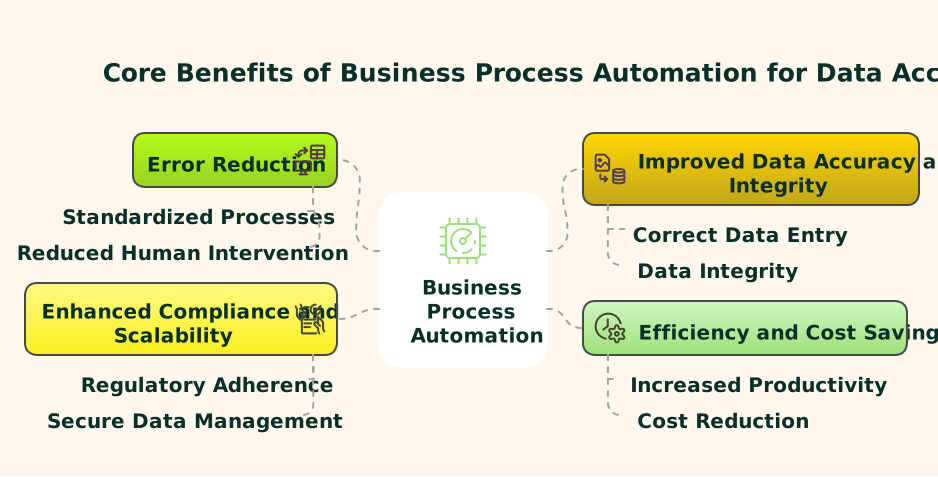
Error Reduction
Human errors in data entry, financial processing, and operational workflows can be costly. A study by Deloitte found that up to 30% of manual data entries contain errors, leading to inefficiencies and financial losses. Automation minimizes these mistakes by enforcing standardized processes and reducing reliance on human intervention.
For example, an automated invoicing system ensures that billing details are correctly applied, preventing costly errors in payment processing. Unlike manual tasks, which can be inconsistent, automation delivers repeatable, error-free results every time.
Improved Data Accuracy and Integrity
When businesses rely on manual data handling, inconsistencies, duplication, and formatting errors can compromise data integrity. Business process automation ensures data is entered, processed, and stored correctly, reducing discrepancies and improving overall accuracy. This is particularly crucial in industries like healthcare and finance, where inaccurate data can have serious consequences.
A Gartner report highlights that companies using automation for data management experience a 60% reduction in data errors, leading to better-informed business decisions. With automation, businesses can trust that their data is clean, structured, and reliable.
Efficiency and Cost Savings
Automation significantly boosts operational efficiency by handling repetitive tasks at a fraction of the time it takes a human employee. According to McKinsey, companies that automate their workflows report a 20-30% increase in productivity.
This efficiency translates into cost savings—reducing the need for manual labor while allowing employees to focus on higher-value tasks. For example, an automated CRM system can handle customer data updates, eliminating the need for manual record-keeping and improving customer service response times.
Enhanced Compliance and Scalability
Regulatory compliance is a key concern for many businesses. Automated systems track, audit, and store data securely, ensuring adherence to industry regulations and reducing the risk of compliance breaches.
Additionally, automation tools scale effortlessly, allowing businesses to expand operations without increasing administrative overhead. Whether a company is a small startup or a growing enterprise, automation provides a cost-effective and scalable solution for long-term success.
Is Your Business Ready to Elevate Marketing in 2025?
Revolutionize your marketing strategies with intelligent automation that drives engagement and revenue. Automate campaigns, optimize customer journeys, and elevate brand performance across all channels.
Real-World Success Stories: Automation in Action
Automation is transforming businesses across industries, from well-established enterprises looking to modernize operations to startups seeking scalable growth.
Below are two real-world examples that showcase the tangible benefits of business process automation in reducing human error and improving efficiency.
Case Study 1: Legacy Business Transformation – The Norfolk & Dedham Group
Challenge: Outdated Systems & Inefficiencies
The Norfolk & Dedham Group, a long-standing insurance provider, relied on legacy systems that required extensive manual data entry and cross-departmental coordination. This led to:
- Frequent data inconsistencies due to human errors in policy processing.
- Operational bottlenecks, slowing down claims processing and customer service.
- Regulatory compliance risks due to the lack of standardized data handling.
Solution: Implementing Business Process Automation (BPA)
To modernize operations, the company implemented a comprehensive BPA system that automated claims processing, underwriting, and customer data management.
Results: Improved Accuracy & Efficiency
- Reduced Human Error – Automated workflows minimized data inconsistencies, ensuring accurate policyholder records.
- Faster Processing – Claims were processed 40% faster, improving customer satisfaction.
- Regulatory Compliance – Automation ensured that data met compliance standards, reducing legal risks.
- Scalability – The company could now handle higher volumes of claims without increasing administrative overhead.
This transformation enabled seamless digital integration across departments, allowing the business to future-proof its operations while significantly enhancing data accuracy.

Suggested reading:
Leveraging Custom Dashboards for Business: Real-Time Data and KPIs to Fuel Decision-Making in 2025
Case Study 2: Startup Efficiency Gains – Repurpose (Eco-Friendly Consumer Goods Brand)
Challenge: Scaling a Startup with Limited Resources
Repurpose, a fast-growing sustainable brand, needed to streamline its operations while keeping costs low. As a startup, they faced:
- Manual financial processes, leading to reporting delays.
- Marketing inefficiencies, with high ad spend due to lack of data insights.
- Employee performance tracking issues, making it hard to evaluate productivity.
Solution: Leveraging AI & Automation Tools
The company integrated AI-powered automation for financial reporting, marketing optimization, and HR management.
Results: Increased Productivity & Reduced Costs
- Eliminated Manual Data Entry Errors – Automated bookkeeping improved financial accuracy and reporting.
- Optimized Marketing ROI – AI-driven analytics helped the company cut advertising costs by 30% while improving conversion rates.
- Enhanced Employee Efficiency – Performance tracking automation ensured that employees focused on high-value tasks, leading to better output.
By embracing automation, Repurpose was able to compete with larger brands, scale efficiently, and maintain its commitment to sustainability by reducing paper-based processes.
Key Takeaways: Why Automation Works for All Businesses
For Legacy Businesses: Automation eliminates outdated manual processes, ensuring data accuracy, compliance, and operational efficiency.
For Startups: Automation provides scalability, cost savings, and improved decision-making, allowing smaller teams to achieve big results.
Regardless of business size or industry, business process automation benefits include reducing human error, enhancing data accuracy, and optimizing operations for long-term growth.
Integrate for Efficiency
Unify your systems with tailored solutions that drive efficiency, boost growth, streamline operations, and improve data flow. Connect platforms, optimize processes, and elevate your business performance.
How to Implement Business Process Automation in Your Business
Implementing Business Process Automation (BPA) can significantly enhance operational efficiency and data accuracy.
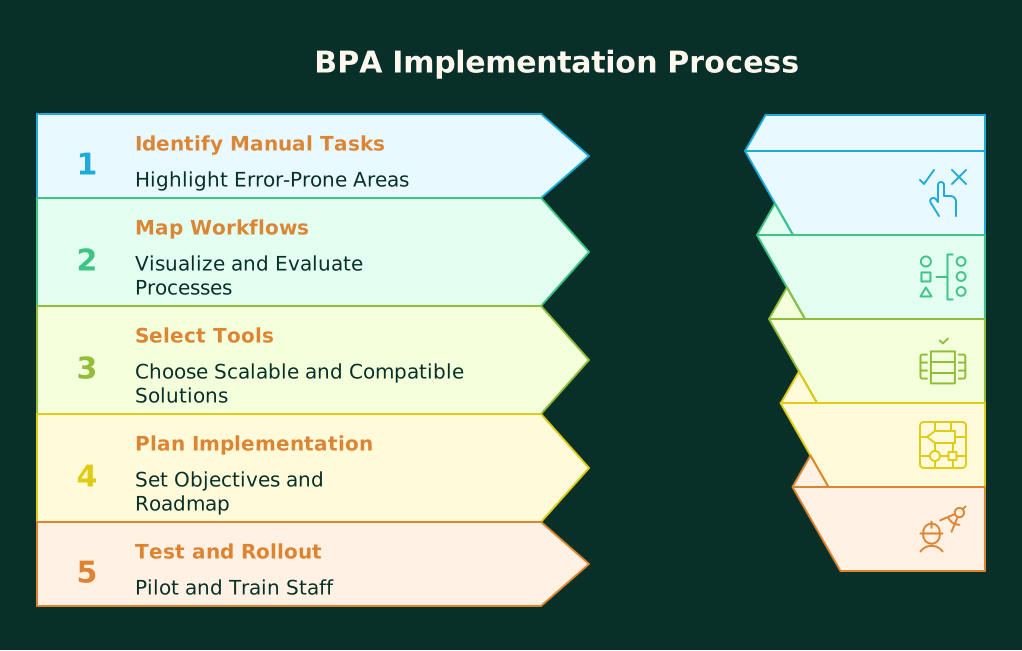
Here’s a structured approach to guide your organization through a successful BPA implementation:
Assessing Your Current Processes
Implementing Business Process Automation (BPA) can significantly enhance operational efficiency and data accuracy.
Here’s a structured approach to guide your organization through a successful BPA implementation:
1. Identify Error-Prone Manual Tasks
- Conduct a Process Audit: Review existing workflows to pinpoint tasks susceptible to human error, such as data entry or repetitive manual operations.
- Gather Employee Feedback: Engage with staff to uncover inefficiencies and areas where automation could alleviate workload.
2. Importance of Process Mapping and Evaluation
- Visualize Workflows: Utilize flowcharts or process mapping tools to document current processes, making it easier to identify automation opportunities.
- Evaluate Process Performance: Assess each process’s efficiency, accuracy, and alignment with business objectives to prioritize automation efforts.
Choosing the Right Tools
1. Criteria for Selecting Automation Solutions
- Scalability: Ensure the tool can grow with your business needs.
- Ease of Use: Opt for user-friendly interfaces to facilitate adoption.
- Cost-Effectiveness: Balance functionality with budget constraints.
2. Integration with Existing Systems
- Compatibility: Select tools that seamlessly integrate with your current software and hardware to avoid disruptions.
- Vendor Support: Choose providers offering robust support and regular updates.
Step-by-Step Implementation Guide
1. Planning
- Set Clear Objectives: Define what you aim to achieve with automation, such as reducing errors or speeding up processes.
- Develop a Roadmap: Outline the implementation timeline, resources required, and key milestones.
2. Testing
- Pilot Projects: Start with a small-scale implementation to evaluate the tool’s effectiveness and identify potential issues.
- Gather Feedback: Collect input from users involved in the pilot to make necessary adjustments.
3. Rollout
- Phased Implementation: Gradually expand the automation to other processes or departments, allowing time for adaptation.
- Training Programs: Provide comprehensive training to ensure employees are comfortable with new systems.
4. Monitoring
- Continuous Evaluation: Regularly assess the performance of automated processes to ensure they meet desired outcomes.
- Iterative Improvements: Be prepared to refine and optimize automation strategies based on performance data.
Overcoming Common Challenges
1. Employee Resistance
- Change Management: Communicate the benefits of automation clearly and involve employees in the transition process to alleviate concerns.
- Support Systems: Establish helpdesks or support teams to assist staff during the transition.
2. Integration Issues
- Technical Assessments: Conduct thorough compatibility checks and involve IT professionals to ensure smooth integration.
- Vendor Collaboration: Work closely with solution providers to address any technical challenges promptly.
By following this structured approach, your organization can effectively implement BPA, leading to enhanced efficiency, reduced errors, and improved data accuracy.
Taking the Next Step Towards Automation
Embracing business process automation is a game-changer for businesses looking to reduce human error, enhance data accuracy, and improve operational efficiency. Automation not only eliminates repetitive manual tasks but also ensures consistency, compliance, and scalability—critical factors for long-term success.
For legacy businesses, modernizing outdated workflows leads to higher accuracy and streamlined operations, while startups can leverage automation to scale efficiently without the burden of manual errors. As businesses continue their digital transformation, automation becomes a key driver in maintaining a competitive edge.
By proactively assessing current processes and integrating smart automation solutions, businesses can create a more efficient, error-free environment that fosters growth and innovation.
Minimize human error, improve data reliability, and optimize your workflows with automation-driven solutions. Ensure seamless operations and smarter decision-making with tailored strategies designed for accuracy and efficiency.